


Views: 0 Author: Site Editor Publish Time: 2026-07-30 Origin: Site


Unplanned machine downtime drains project budgets fast. Catastrophic attachment failures halt production immediately on busy jobsites. You cannot treat Ground Engaging Tools as disposable commodities. They function as critical frontline assets. They dictate daily fuel efficiency, machine cycle times, and ultimate bucket lifespan.
We will explore how to evaluate these vital components objectively. You will discover practical frameworks for specifying exact parts based on geology and machine size. Fleet managers and procurement teams can use this comprehensive guide to match components perfectly to specific site conditions. You will learn to prioritize system compatibility and proactive wear protection to maximize equipment uptime.
Total Cost of Ownership (TCO) over Unit Price: Evaluating GET based on cost-per-hour and reduction in machine downtime yields better financial outcomes than sourcing the cheapest steel.
Material Selection is a Trade-off: There is no universal "best" metal; buyers must balance hardness (abrasion resistance) with toughness (impact resistance) based on the application.
System Compatibility Matters: Matching bucket teeth, adapters, and cutting edges requires exact fitment to prevent parasitic wear on pins and retainers.
Proactive Wear Protection: Strategic placement of secondary wear parts (shrouds, chocky bars) exponentially extends the life of the primary bucket structure.
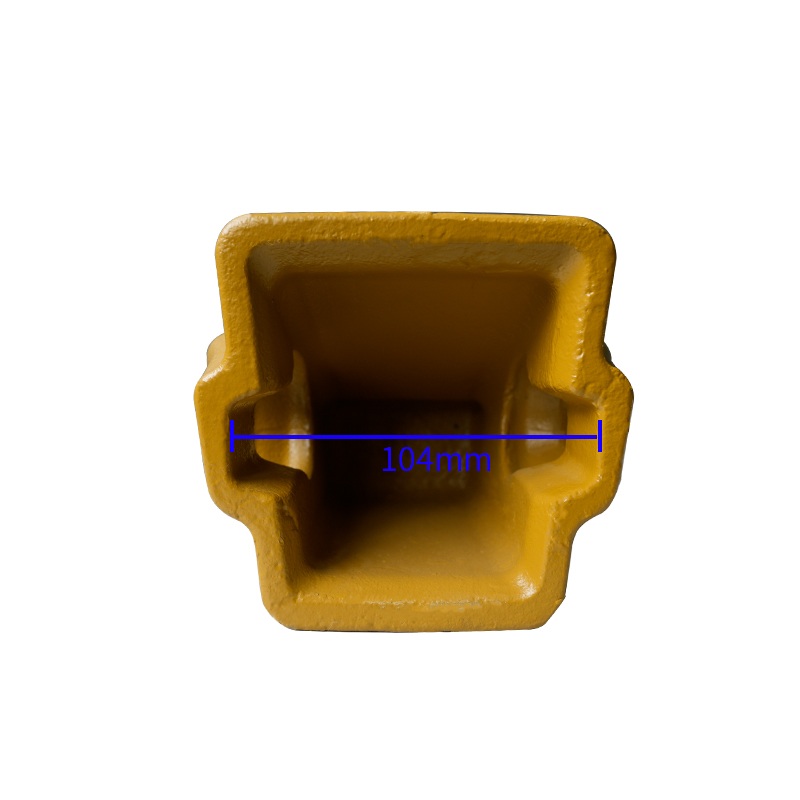
Shift your procurement mindset away from simply replacing broken parts. You must prioritize optimizing machine penetration. Focus on maximizing payload capacity during every cycle. When you specify the correct components, you directly increase daily production metrics. Operators fill buckets faster. They experience less operator fatigue from fighting stubborn piles. Successful procurement aligns directly with moving more tons of material per shift.
Dull or improperly matched teeth create severe hydraulic resistance. Engines work significantly harder to push blunt buckets through compacted material. This mechanical struggle leads directly to higher fuel burn per ton moved. Hydraulic fluid temperatures rise unnecessarily. Cycle times slow down significantly as the machine strains to achieve a full load. Production quotas suffer heavily when you ignore these parasitic losses.
Degraded components compromise bucket structural integrity. Worn teeth transfer intense shock and sliding friction directly to the bucket lip. The primary shell takes unnecessary abuse. This direct friction accelerates the need for high-cost structural rebuilds. You lose crucial days of production while shop welders rebuild the base edge. Protecting the core structure ensures the machine stays in the dirt where it belongs.
Standard profiles offer a solid baseline for general dirt applications. They feature an excellent balance of wearable mass and blunt force. Heavy-duty versions provide thicker wear material for highly compacted soils. You choose these when longevity outranks extreme penetration.
Rock and chisel profiles excel in high-impact environments. You need them for hard-pan or frozen ground. Penetration often becomes the primary bottleneck in these harsh conditions. A sharp chisel profile breaks through tough crusts efficiently. It concentrates the machine's breakout force into a smaller surface area.
Tiger and twin tiger profiles deliver maximum penetration. They pierce tightly compacted soils easily. However, this aggressive design forces a distinct trade-off. They experience faster wear rates because they contain less steel mass. They also offer lower overall structural strength compared to blunt profiles.
Abrasion profiles feature extra mass on the bottom wear surface. They perform best in sand, gravel, and high-friction loading environments. The extra metal absorbs the constant sliding wear native to these materials.
Review this comparison matrix to clarify profile selection across various site conditions.
Tooth Profile | Primary Application | Penetration Rating | Wear Life Expectancy |
|---|---|---|---|
Standard / Heavy Duty | General dirt, mixed loose soils | Moderate | High |
Rock / Chisel | Hard-pan, frozen ground, high impact | High | Moderate |
Tiger / Twin Tiger | Tightly compacted soils, clay | Maximum | Low |
Abrasion | Sand, gravel, high-friction loading | Low | Maximum |
Weld-on adapters require professional installation. They suit heavy machines and extreme application severity perfectly. Weld-on styles provide maximum structural rigidity. Bolt-on options work well for smaller machines or lighter duties. They allow rapid field-replacement capabilities without dispatching a heavy welding truck.
Flush mount adapters protect the bucket bottom. They leave a smooth under-surface. This clever design prevents material hang-up during dumping. Straddle mount adapters slip completely over the base edge. They offer superior structural grip and resist twisting forces better during heavy prying.
Retention systems secure the tooth to the adapter firmly. Reliable pin-and-retainer mechanics prevent tooth loss. High-vibration applications demand premium locking systems. Losing a heavy steel tooth into a rock crusher causes catastrophic downstream equipment damage.
Weld-on base edges serve as the structural foundation of your bucket. You must evaluate steel thickness carefully before installation. Bevel angles dictate how efficiently the bucket enters the dirt. A proper bevel reduces loading resistance immensely.
Bolt-on reversible edges provide immense long-term value for loaders and graders. Operators can simply unbolt and flip the edge. You achieve double the lifespan before buying a replacement part. This simple practice slashes maintenance budgets rapidly.
Half-arrow edges provide exceptional leading-edge protection. Their unique shape naturally directs material flow upward and over the base edge. This strategic diversion reduces base friction significantly. They protect the primary weld joints from constant abrasion.
Lip and heel shrouds protect highly vulnerable structural areas. High-friction weld seams degrade quickly without them. Bucket corners experience intense dragging forces during swing cycles. Shrouds absorb this punishment completely.
Wear buttons and chocky bars offer highly adaptable solutions. You can weld these white-iron and chromium pieces anywhere on the shell. They provide customized, localized protection in specific high-wear zones. Fleet managers use them to reinforce known weak points.
Many operators believe harder steel always performs better. This dangerous misconception leads to massive component failures. Extremely hard steel becomes highly brittle. It can shatter instantly under heavy impact. Quarry rock applications destroy overly hard metals quickly. You must balance material properties.
Abrasive wear involves constant sliding friction. Sand and high-silica dirt act exactly like sandpaper against your bucket. You need high surface hardness to resist this grinding action. Manufacturers measure this specific hardness using Brinell or Rockwell scales.
Impact wear involves intense shock loading. Heavy strikes against solid rock require high material toughness. High yield strength absorbs these massive blows without fracturing the steel. You must prioritize elasticity and shock absorption over pure hardness here.
Alloy formulations dictate actual field performance. Boron additions increase hardenability deeply into the steel without sacrificing toughness. Chromium additions create extreme resistance to sliding abrasion. Through-hardened steel maintains consistent strength throughout its entire thickness. Surface-hardened steel loses its protective outer shell quickly, exposing a soft interior that wears rapidly.
Use this strict framework when sourcing Ground Engaging Tools for your machinery fleet.
Application Matching: Check if the component profile matches your geological reality precisely. Trenching through sticky clay requires different teeth than aggregate loading. Analyze the primary material you move daily before ordering parts.
System Fitment and Tolerances: Assess the critical risk of pin slop. Loose fitment between aftermarket teeth and existing adapters spells disaster. This gap causes severe internal wear. It leads directly to premature retainer failure.
Manufacturing Quality and Traceability: Evaluate suppliers rigorously. Demand solid proof of casting consistency. Request heat-treatment verification documents. Ensure the steel completely lacks internal porosity or casting voids.
Availability and Supply Chain: Consider the hidden cost of lead times carefully. A cheap part costs thousands if your machine sits idle waiting for delivery. Evaluate vendors based on local inventory depth. Compare this against factory-direct shipping delays.
Proper installation and regular maintenance ensure your investment performs as expected. Ignoring foundational mechanical rules leads to immediate failure.
Pre-heating Failures: Improper pre-heating before welding causes severe issues. Cold steel introduces microscopic hydrogen cracking into weld-on adapters. These unseen cracks expand under heavy load. The adapter ultimately snaps off mid-cycle. Always pre-heat heavy sections adequately.
Incorrect Welding Techniques: Rushing passes or using the wrong filler wire creates weak joints. Welders must follow manufacturer guidelines for bead placement and cooling times.
Hardware Torque Specifications: Hardware tension matters immensely. You must apply proper torque during initial installation. You must also re-torque bolt-on cutting edges after the first 10 to 20 hours of operation. Bolts stretch under initial load. Ignoring this critical step leads to loose edges and sheared bolts.
Establish strict visual inspection baselines. Train operators to check pin retainers daily before starting the engine. Define clear wear limits for all parts. You must replace components before the base bucket lip becomes compromised. Waiting too long guarantees an expensive shop repair. Look for thinning adapter walls and rounded structural straps. Catching wear early saves the expensive main bucket assembly.
Ground engaging tools function as a direct investment in daily productivity. They guarantee machine efficiency across demanding shifts. They ensure ultimate bucket preservation over years of abuse. Treating them as critical variables changes how your fleet performs.
Apply a logical shortlisting process. Audit your current failure modes honestly. Ask yourself if parts break from impact or wear down from friction. Define your primary geological challenge accurately. Match your performance expectations directly to the correct component tier.
Stop settling for inadequate steel on your job sites. We encourage procurement and maintenance teams to act proactively today. Request a comprehensive site audit soon. Consult a specialist to match profiles and alloy mixtures to your specific fleet needs.
A: Through-hardened teeth undergo specific heat treatments to maintain consistent hardness from the outer surface to the core. They wear evenly over their entire lifespan. Surface-hardened teeth only feature a hard outer shell. Once friction wears away this exterior layer, the softer inner core degrades rapidly, requiring much faster replacement.
A: Visual wear indicators provide the first clue. Check for thinning adapter walls and rounded bottom straps. Loss of tooth retention is the ultimate warning sign. If new teeth rattle or experience "pin slop" upon installation, the adapter nose is too worn. Replace it immediately to prevent snapping pins.
A: We strongly advise against mixing brands. While aftermarket teeth might technically slide onto existing adapters, microscopic tolerance differences cause poor fitment. This mismatch generates internal friction, leading to premature pin failure. Mixing brands often invalidates manufacturer warranties and compromises overall system compatibility.
A: Breaking indicates a severe mismatch between your application and the steel profile. Impact-heavy applications, like quarrying large rock, require high material toughness to absorb shock. If you use overly hard, brittle teeth designed strictly for abrasion, the rigid steel cannot flex. It shatters upon heavy impact.


